
Japan Unlocked:
11 Hidden Gem Destinations You Need To Visit in 2025
Introduction
Think you know Japan? Think again. Beyond the neon buzz of Tokyo and the golden shrines of Kyoto, Japan is home to a patchwork of towns, islands, and rural escapes where authentic culture, next-level food, and unforgettable landscapes await—without the crowds. If you want to discover the real Japan, check out these handpicked, deeply local destinations no one’s telling you about.
Ready to upgrade your adventure?
11 Hidden Gem Destinations You Need To Visit in 2025
Fukuoka, Fukuoka Prefecture: A Foodie Paradise Where the Locals Eat
Nestled on Kyushu Island, Fukuoka remains surprisingly overlooked by international travelers despite being Japan’s sixth-largest city. For food enthusiasts, this vibrant coastal hub represents the pinnacle of casual Japanese dining culture.
The city’s crown jewel is its collection of "yatai"—open-air food stalls that line the Naka River and Tenjin area. These intimate 6–8 seat counters create a dining experience unlike anywhere else in Japan. As evening falls, chefs fire up their grills, steam billows into the night air, and locals squeeze in shoulder-to-shoulder with visitors for an authentic culinary adventure.
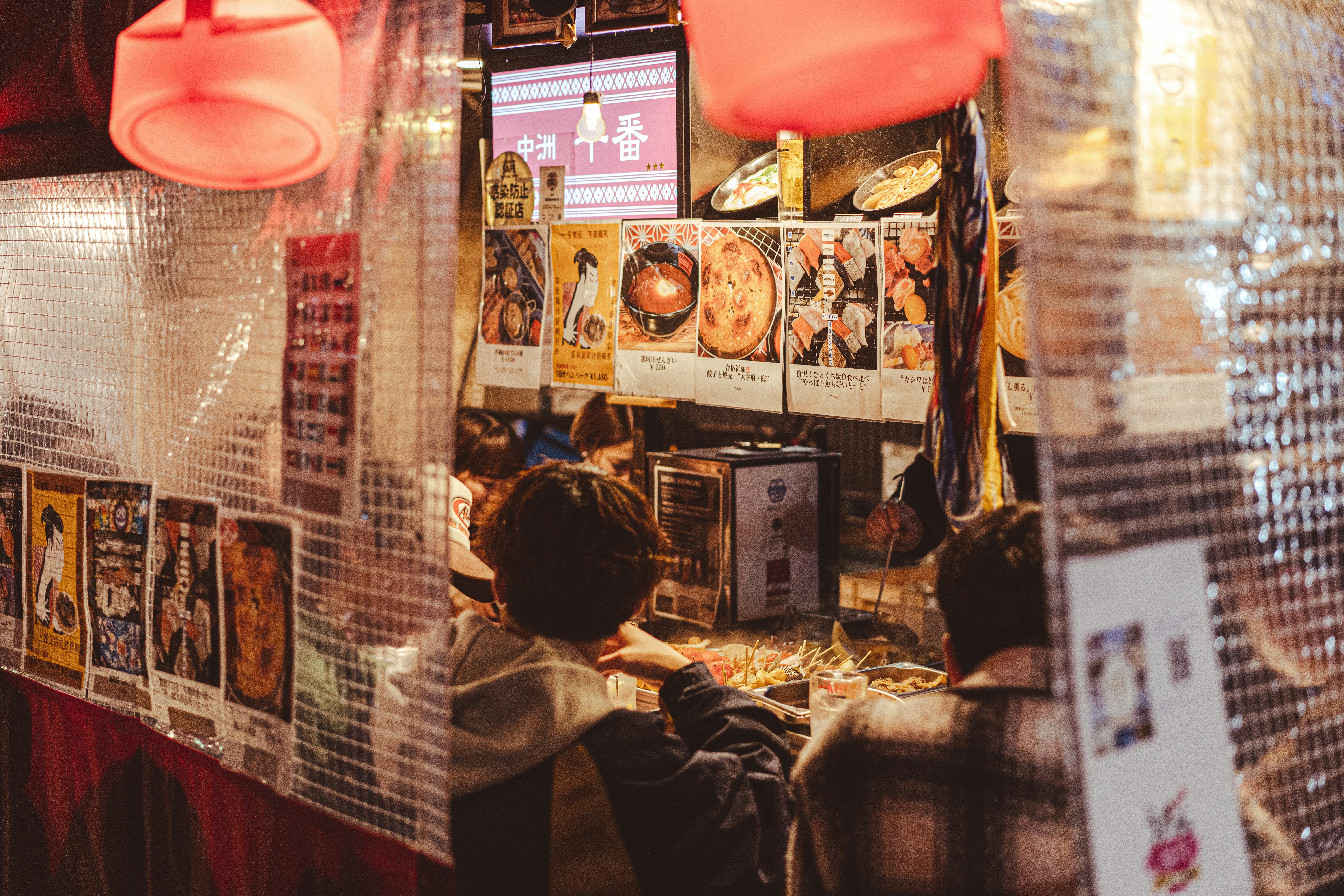
Fukuoka’s signature dish is Hakata ramen—characterized by its rich, cloudy tonkotsu pork bone broth and thin, straight noodles that retain their firmness. What makes the experience special isn’t just the phenomenal food but the casual hospitality. Chefs chat with customers across the counter, fellow diners offer recommendations, and the boundaries between tourists and locals dissolve over shared meals.
Beyond ramen, seek out mentaiko (spicy cod roe), motsunabe (offal hotpot), and Saga beef—a lesser-known but equally impressive alternative to the famous Kobe variety. For a deeper dive into local food culture, the Yanagibashi Market offers a less crowded alternative to Tokyo’s Tsukiji, with vendors selling everything from fresh seafood to regional specialties.
The best time to visit is autumn (October–November) when temperatures are mild and seasonal ingredients shine.
Wazuka, Kyoto Prefecture: The Soul of Japanese Tea Culture
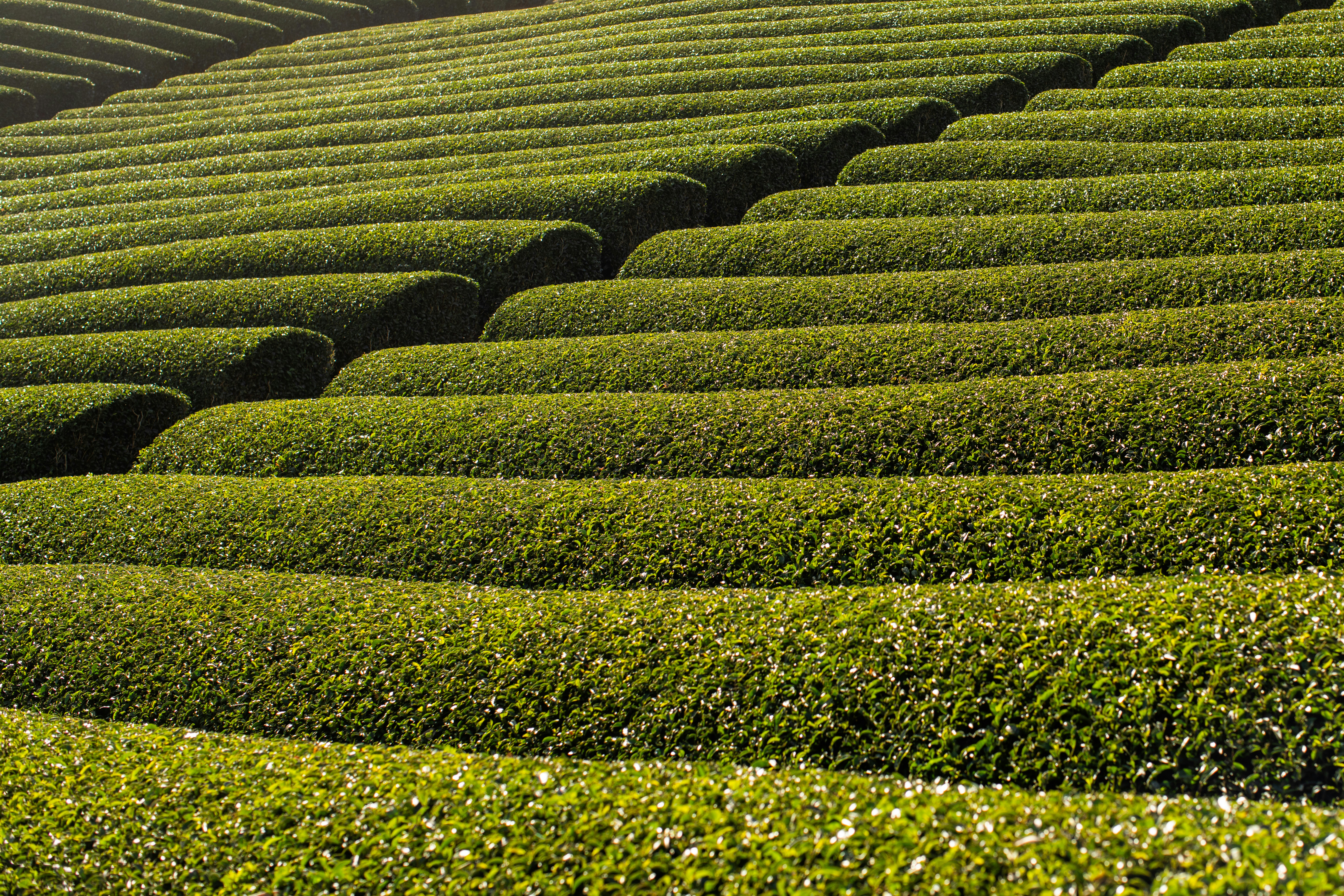
Hidden among the soft hills south of Kyoto lies Wazuka, a verdant haven that produces some of Japan’s highest-quality green tea. This rural town is the heart of Uji-cha, where centuries-old farms sculpt the landscape into undulating waves of tea plants.
Wazuka offers immersive experiences you won’t find in city teahouses. Join a guided tea-picking tour with local farmers—snap on a sun hat, wander the waist-high bushes, and discover the delicate handwork that creates Japan’s famous matcha. Book a tea ceremony in a traditional farmhouse or sip single-origin brews overlooking fields bathed in mist.
Don’t miss picnicking with regional sweets, exploring ancient temples such as Joruri-ji, or cycling past the patchwork quilt of emerald terraces. Wazuka’s pace is refreshingly slow—your cue to unplug and savor each sip.
Late spring or early summer is the sweetest spot, when the new tea leaves emerge and the fields blaze an almost neon green.
Hokkaido: Wild Flavors and Wide Open Spaces
Hokkaido, Japan’s northernmost island, is a playground for both foodies and nature lovers. While world-class ski resorts like Niseko attract winter sports fans, Hokkaido’s appeal stretches year-round.
Start in Sapporo, where open-air seafood markets tempt you with just-caught crab, scallops, and uni served atop steaming rice bowls. Local specialties shine in every season: in summer, soft serve made from ultra-fresh dairy; in winter, warming bowls of miso ramen topped with sweetcorn and butter. Hokkaido’s wide plains also foster some of Japan’s best beef and cheese—a rarity in the rest of the country.
Outside urban centers, explore volcanic lakes, sweeping flower fields, and wild hot springs nestled in forests. The lack of crowds amplifies the sense of discovery and freedom. Whether you’re hiking through Daisetsuzan National Park or tracing the coastline near Otaru, you’ll find opportunities to connect with untamed Japan.
The best time to visit depends on your interests—ski in January-March, catch cherry blossoms in May, or tour flower fields from June-August.
Kakunodate, Akita Prefecture: Step Into Samurai Serenity
In northern Akita Prefecture, Kakunodate’s perfectly preserved samurai district offers a living portrait of Edo-era Japan. The town’s wide boulevards are lined with heritage mansions behind wooden fences, under canopies of sakura trees that turn pink every spring and a fiery red in autumn.
History lovers will appreciate touring the inside of samurai homes such as the Aoyagi and Ishiguro residences, filled with antiques and garden views. Walk or rent a bicycle to fully explore the quiet streets, pausing at small museums, craft shops, and riverside parks locals love.
Cherry blossom season (late April to early May) is magical, when the town radiates pastel colors and hosts festive food stalls. Visit in October for dramatic leaf change and a more tranquil experience.
Iya Valley, Tokushima Prefecture: Japan’s Lost World for Adventurers
Deep within Shikoku Island, the Iya Valley is a dramatically remote hideaway—famous for precipitous gorges, vine-woven suspension bridges, and legends of hidden samurai. Mist curls over mountain ridges as the Iya River winds through steep, emerald canyons.
Adventurers can hike lush forest trails, raft the clear, lively waters of the Oboke and Koboke gorges, or brave the swinging Kazurabashi vine bridge (originally built as an escape route for samurai on the run). For a cultural twist, seek out thatched-roof farmhouses that have been restored as extraordinary guesthouses, offering hearty mountain cuisine and starlit baths.
With its crisp air and open spaces, Iya offers a tranquil antidote to city travel. Aim for spring or autumn for the clearest skies and blazing foliage.
Kiso Valley, Nagano Prefecture: Hike into Japan’s Samurai Past
Wander back in time along the Nakasendo Trail in the Kiso Valley, where Edo-era post towns such as Magome and Tsumago have been painstakingly preserved. Cobbled streets, wooden inns, and a ban on cars within historical zones keep the mood timeless.
Hiking this region isn’t just about pretty views—it’s a tactile, peaceful journey past stone bridges, bamboo groves, and waterfalls. Recharge at age-old ryokans offering regional meals and onsen baths, or explore small museums dedicated to travel in ancient Japan.
Spring and autumn are picture-perfect, with cherry blossoms in April and vibrant leaves from October to November.
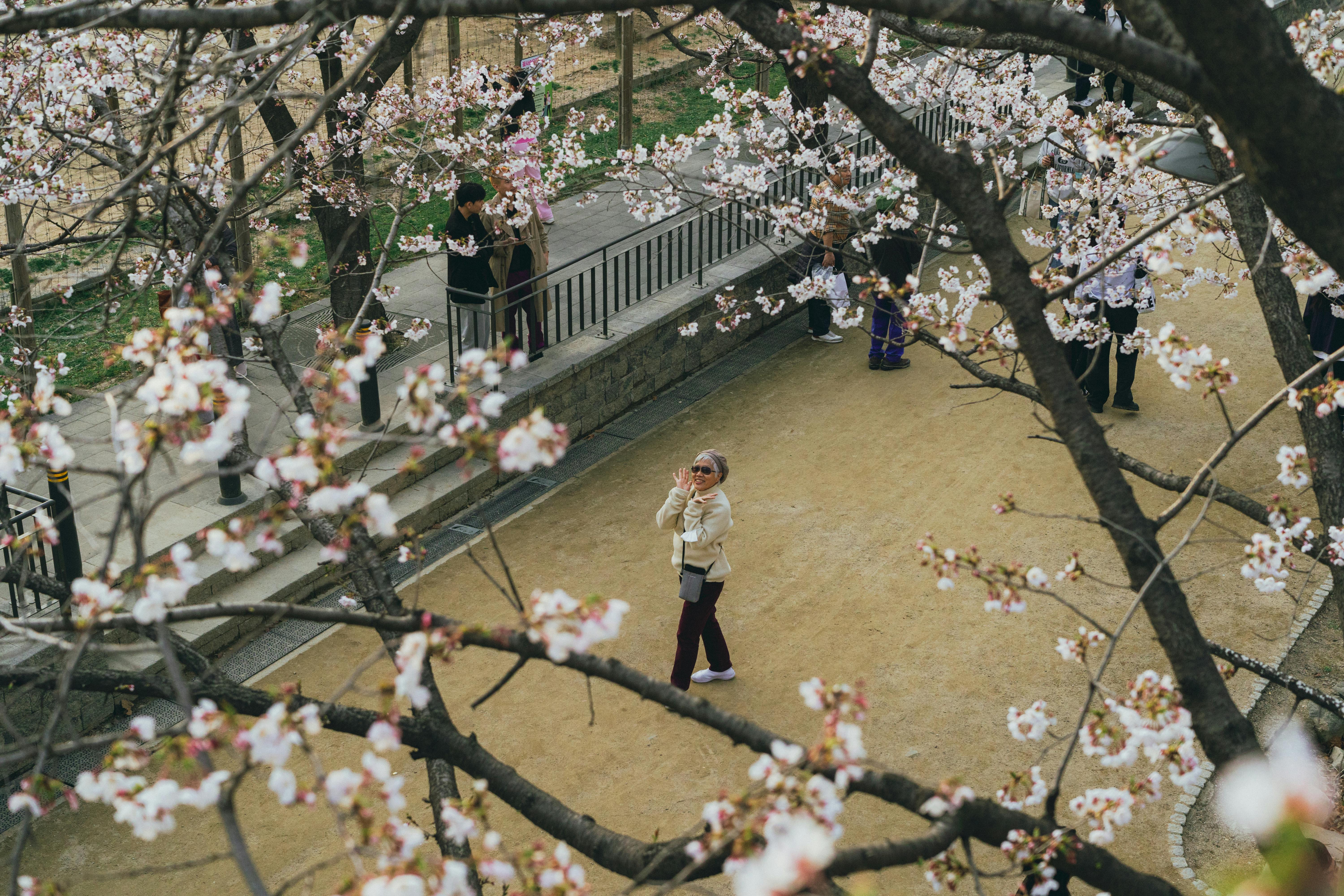
Obama, Fukui Prefecture: A Seaside Sanctuary for Seafood Lovers
Perched on the Sea of Japan coast, Obama charms with quiet shrines, a gentle port, and regional food traditions that predate its global namesake. The morning market is an essential stop: watch as fishermen haul in fresh mackerel, squid, and abalone, while local shoppers haggle for the best catch.
Historic streets like Sanchomachi retain Edo-era merchant houses, now home to cozy cafés and seafood eateries. Don’t miss saba sushi, handmade daily using local techniques, or the town’s lucky bamboo talismans sold at Wakasa Shrine.
Best visited in spring and early summer for market festivals and when seafood is at its seasonal best.
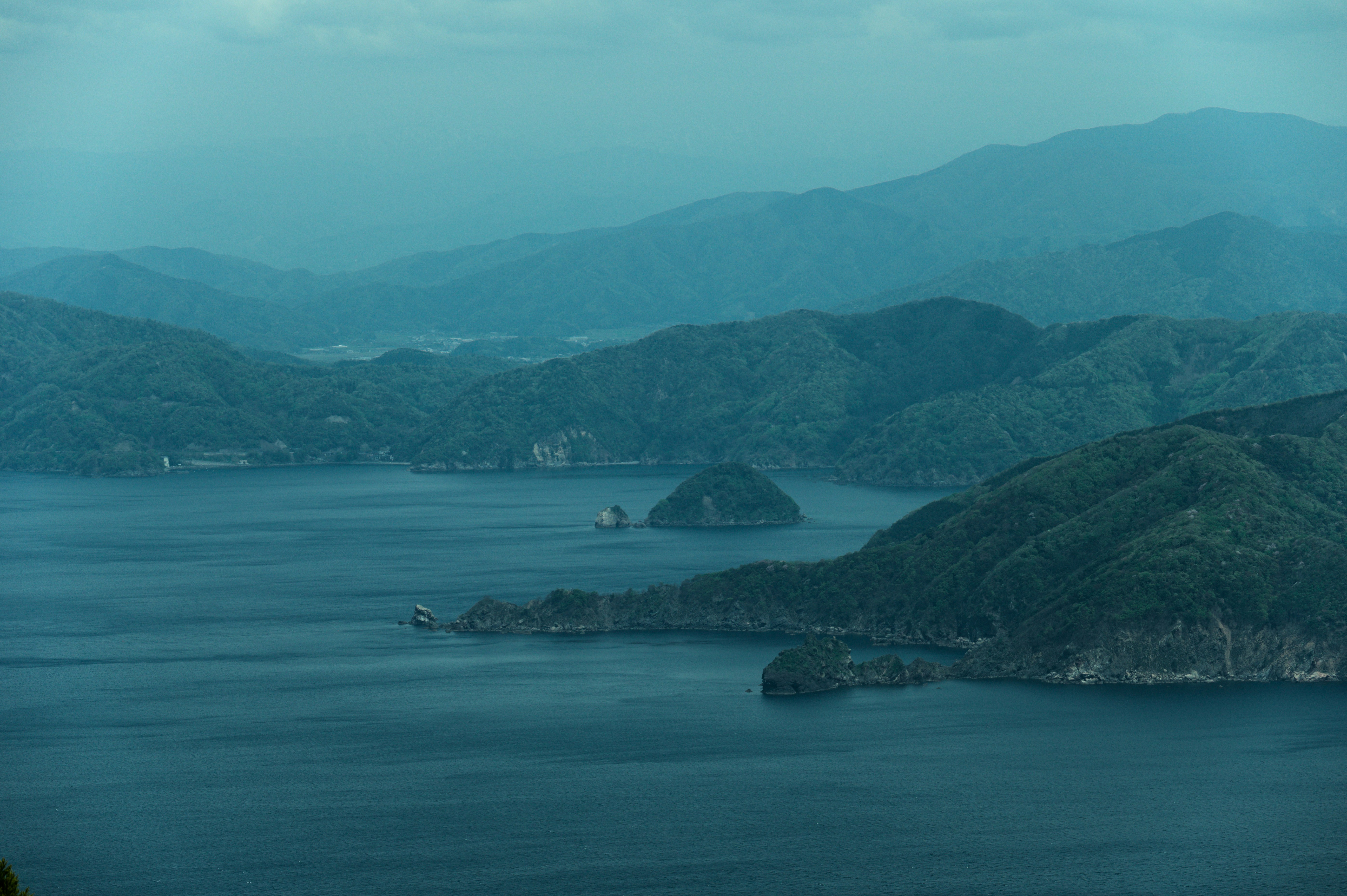
Ise-Shima, Mie Prefecture: Sacred Spirit, Luxe Retreats & Ama Diver Culture
On the forested shores of Mie Prefecture, Ise-Shima is a seamless blend of spiritual pilgrimage and indulgent wellness escapes. At the heart of the region is Ise Grand Shrine, an immense, sacred Shinto complex set among towering trees. Pilgrims come from across Japan to pay respects, but the tranquil grounds welcome even non-religious visitors with their peace and beauty.
Luxury here is all about restorative experiences. Acclaimed Amanemu resort presides over Ago Bay, blending minimalist design with steaming onsen baths fed by mineral springs. Modern ryokans and hotels offer rooms with private open-air tubs, wellness therapies, and the finest omotenashi (Japanese hospitality).
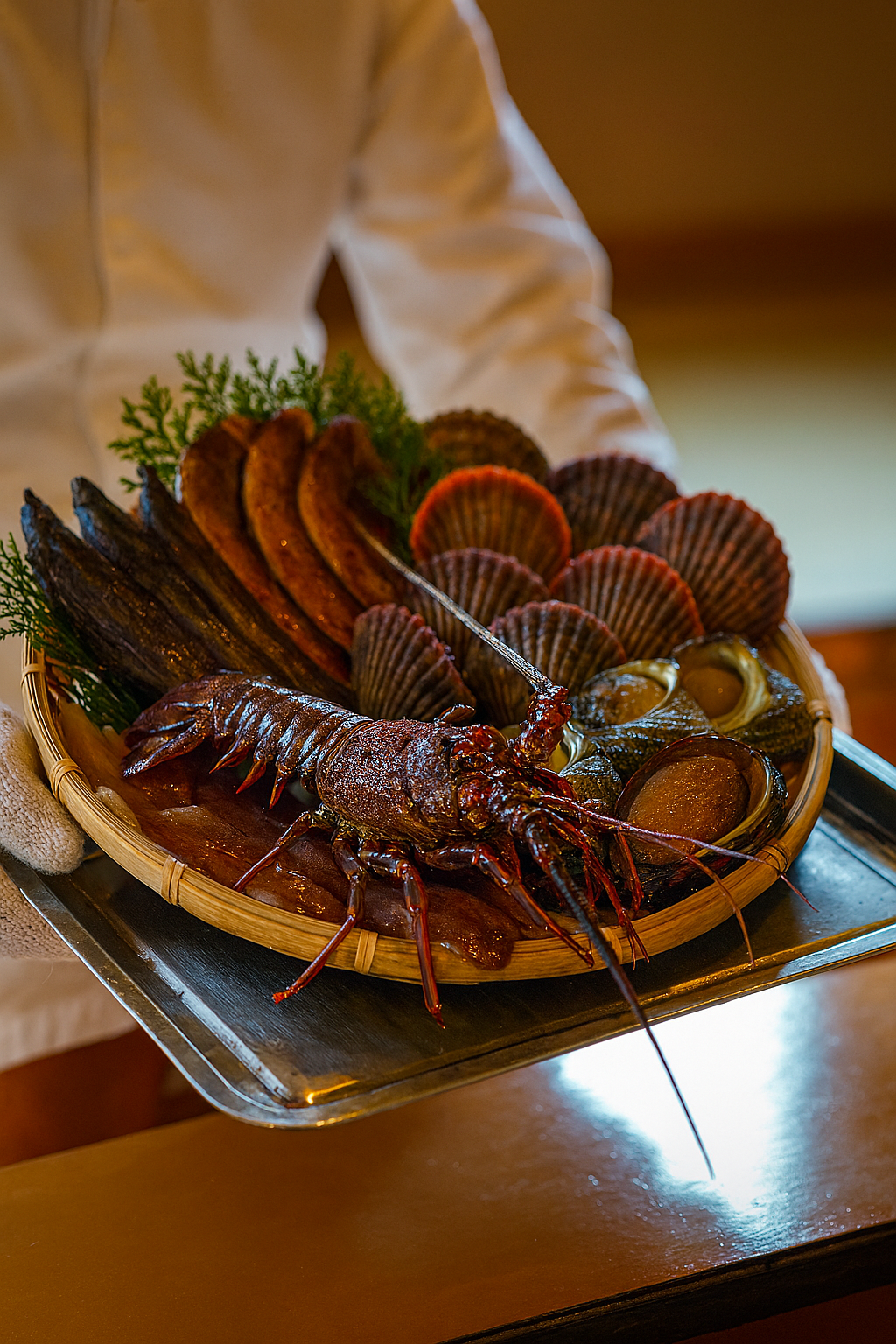
Unique to Ise-Shima are the ama women divers—guardians of an ancient tradition. Visitors can join ama in their huts for grilled lobster, abalone, and witty conversation about their ocean harvests. The ama’s performance, stories, and handmade jewelry reveal a living heritage found nowhere else.
Couples and solo travelers will delight in spa treatments, forest walks, and world-renowned Ise-ebi (spiny lobster) served in courses you’ll never forget. Visit in autumn or winter for quieter shrines and milder weather.
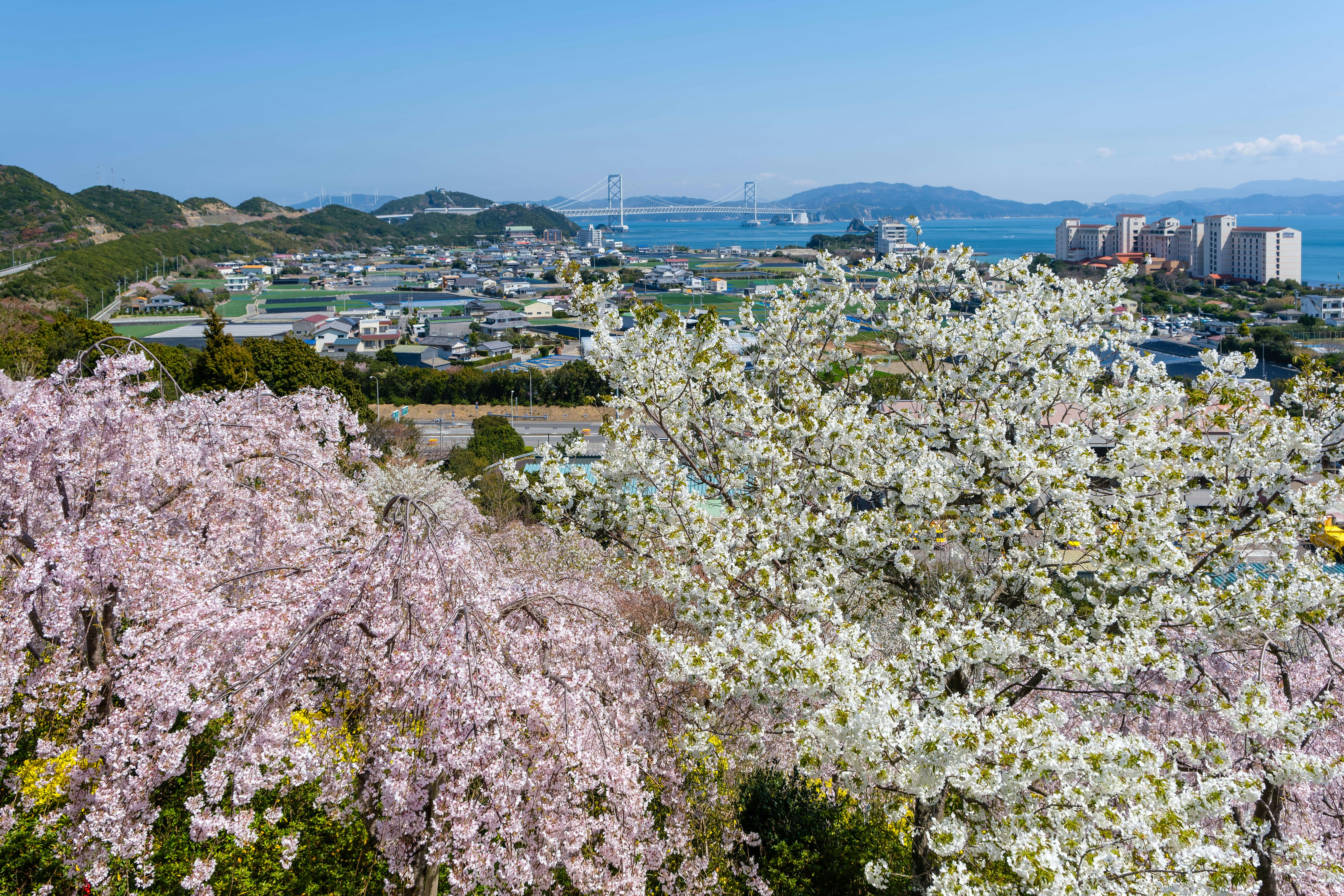
Setouchi (Ehime, Hiroshima & Okayama Prefectures): Island Life, Ramen, and Cycling Dreams
Setouchi’s calm, island-dotted Seto Inland Sea is a haven for slow exploration, cycling, and gourmet discovery—far from the crowds of Tokyo and Osaka. The Shimanami Kaido, a spectacular 70 km bridge and biking route, links the towns of Onomichi and Imabari, crossing six sleepy islands perfect for all cycling levels. Along the way, find sun-drenched lemon groves, olive farms, and hidden beaches.
Art fans can island-hop to Naoshima and Teshima, home to world-class museums and surreal outdoor installations. Don’t miss Setouchi’s signature ramen: lighter, seafood-infused broths, best sampled in local port towns. Fresh oysters, citrus sweets, and regional sake round out the area’s food scene.
Base your stay at Azumi Setoda, a design-forward ryokan on Ikuchijima built from a storied island manor. Guests relax in cypress-scented baths, borrow bikes for local adventures, and dine at sister restaurant tantan—where innovative ramen and local craft beers are the stars. The region’s proximity to Hiroshima (just a ferry ride away) means you can blend peaceful island days with big city history.
Best traveled in late spring or autumn, when the sea sparkles and citrus harvests are in full swing.
Tochigi Prefecture: Forests, Shrines, and Artisanal Traditions
Just north of Tokyo, Tochigi is a restful retreat for lovers of history and nature. Marvel at the UNESCO-listed Nikko Toshogu Shrine, famous for its elaborate gateways and sacred cedar groves. Tucked-away trails lead to hidden waterfalls and mountain viewpoints, especially beautiful in fall.
Beyond shrines, Tochigi champions traditional crafts. Take a pottery class in Mashiko, sample local strawberries at their sweetest, or soak in rural hot springs surrounded by forest.
March to May and October to November offer ideal weather for outdoor adventures and vivid scenery.
Fukushima Prefecture: Nature, Onsen, and Authentic Hospitality
Fukushima’s wide-open spaces make it perfect for slow travel and restoring your sense of calm. Lake Inawashiro, with its mirror-like waters reflecting Mount Bandai, is a year-round playground for kayaking, swimming, and snowshoeing. Explore Ouchi-juku, a perfectly preserved post town where thatched-roof inns serve handmade soba noodles amid nostalgic countryside.
The Aizu region of Fukushima is also renowned for its sake breweries, welcoming onsen, and resilient, warm-hearted people. Despite past challenges, the prefecture offers visitors unique authenticity and heartfelt local fare.
Spring (April–May) and autumn (October–November) are picture-perfect for outdoor activities and onsen hopping under the changing leaves.
How to Plan the Perfect Japan Trip—The Hidden Gems Way
Ready to make these dream locations a reality? Charting a course through Japan's off-the-beaten-path wonders can be tricky, but that's what makes the adventure memorable. You'll need to time trains, find unique stays, and connect with the right guides and local flavor—all while blending highlights and hidden treasures seamlessly.
That’s where working with a travel advisor comes in. I can help you craft a completely custom trip—combining these hidden gems with Japan’s best-loved cities, booking luxury escapes, boutique experiences, and cultural deep-dives that make every moment count.
No more guesswork. Just show up and savor the real Japan.
Ready to Experience Japan Like an Insider?
Subscribe to the Wanderlust Tapestry blog for more hidden gems, travel tips, and expert advice!
Want a tailored trip created just for you?
Book a discovery call or consultation now:
Send me a message directly —tell me your dream Japan trip and let’s bring it to life!
For daily inspiration and travel sneak peeks, follow @sarachannola on Instagram and Facebook!
Let’s make your next Japan journey unforgettable.
If you loved this post, add a comment, Like and Share, and Thank you for your support. Happy & Safe Travels!
Thanks for reading Sara’s Substack! This post is public so feel free to share it.